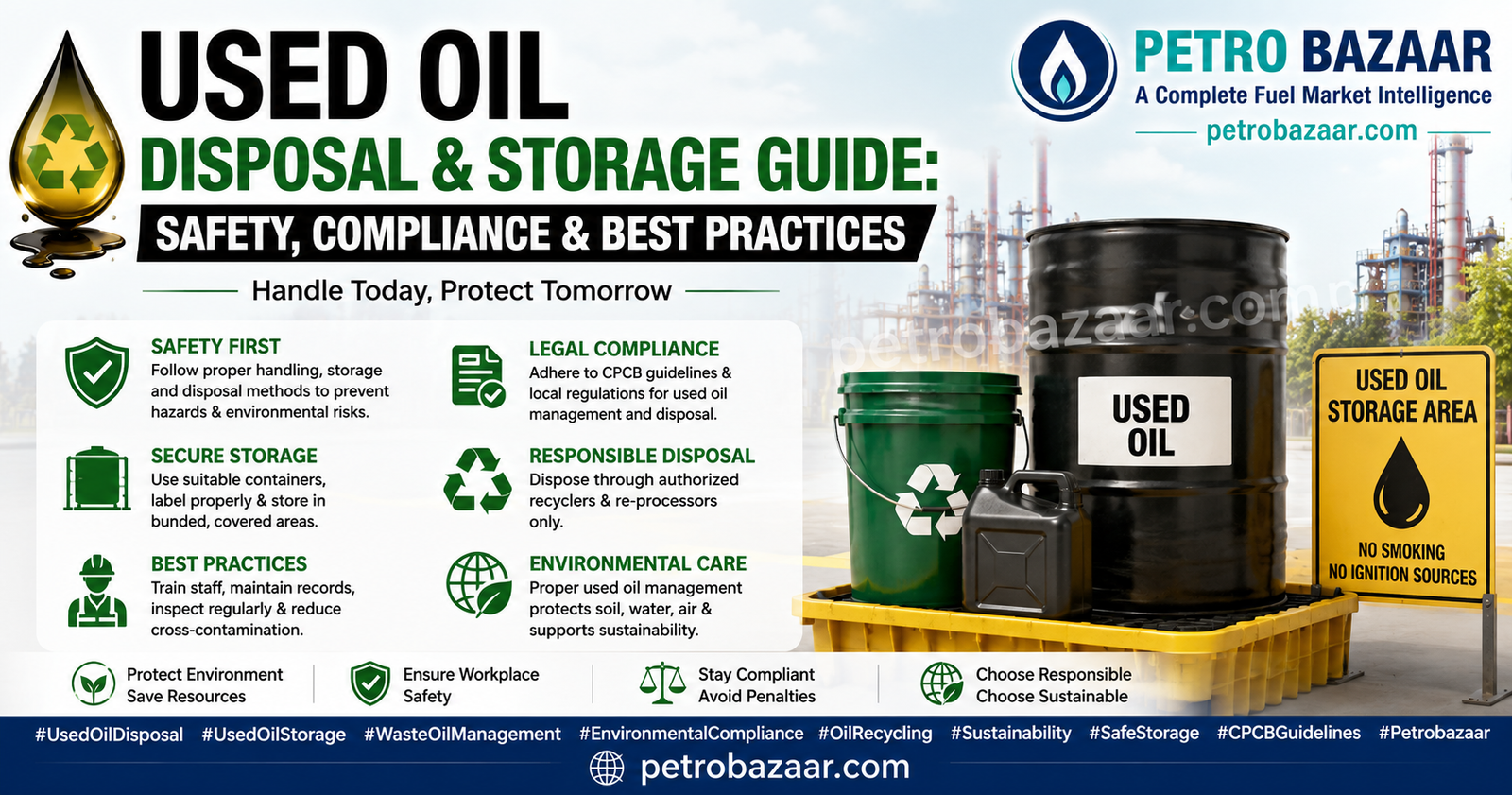

used oil vs waste oil
What is Waste Oil?
Waste oil is oil that has never been used because it has been compromised, typically through contamination, and is now unsuitable for its original purpose.
Examples of waste oil include oil spill clean-up, the bottom sediment of oil tankers after cleanout, and oil that has been contaminated through leaking containers.Waste oil can either show the addition of impurities, or a loss of original properties. Waste oil can never be used, either through recycling or cleaning.
What is the difference between waste oil and used oil?
- The main difference between used oil and waste oil is the level of contamination. Any oil that has been processed from synthetic or crude oil and has been polluted during usage is referred to as used oil.
- On the other hand, waste oil is any petroleum-based or synthetic oil that, through contamination, has become unsuitable for its original purpose due to the presence of impurities or loss of original properties. This could include:
Oil that has been mixed with a hazardous substance, such as cyanide
Oil that has been spilled and collected with contaminated soil or water
Oil that has been used in a process that produces hazardous waste. - The biggest difference between waste oil and used oil is that waste oil is considered hazardous waste and must be disposed of properly. Used oil, on the other hand, can be recycled or reused.
Importance Of Disposing Of Waste Oil Correctly
Proper disposal of waste oil is important to protect the environment and human health.
Waste oil is a hazardous waste that can pollute soil, water, and air if not disposed of properly.
When waste oil is poured down the drain or onto the ground, it can seep into soil and groundwater. This can contaminate drinking water supplies and harm aquatic life.
Waste oil can also evaporate into the air, where it can contribute to smog and other air pollution problems.
Waste oil contains a number of harmful chemicals, including heavy metals and polycyclic aromatic hydrocarbons (PAHs). Exposure to these chemicals can cause a variety of health problems, including cancer, reproductive problems, and neurological damage.
How to dispose of waste oil correctly?
Store used oil in a hygienic, airtight container
Label the container clearly as ‘waste oil’
Make sure that kids and pets can’t reach the container
Transport waste oil carefully to avoid spills.
By disposing of waste oil correctly, you can help to protect the environment and human health.
Products used as waste oil
Some examples of types of products that after use, can be labeled as used oil are: hydraulic oil, transmission oil, brake fluids, motor oil, crankcase oil, gearbox oil, synthetic oil, and grades 1, 2, 3 and 4 fuel oil.
Storage:
Storage of waste oil above certain threshold quantities should require a licence, permit or authorisation. Tanks and containers should be under regular inspection and maintenance to keep them in good condition.
Secondary containment systems for single storage tanks should have a volumetric capacity of not less than 100% of the tank volume. In cases where there is more than one tank within the bund, some environmental authorities require that the capacity should be at least sufficient to accommodate 110% of the largest tank’s maximum capacity or 25% of the total maximum capacities of all tanks, whichever is greater.
Mixing waste oil with different characteristics, other wastes or substances should be prohibited in order not to compromise downstream treatment processes or prevent recovery; and stipulating allowable limit contents of chlorine and polychlorinated biphenyls (PCB’s).
Transport:
Transport of more than a certain amount of waste oil in a given year should require a licence, permit or authorization. generate article with SEO key words in table format to publish in website for information purpose.