
Terms such as “hydrocarbons,” “conventional energy,” or “oil and gas resources” allows for more nuanced discussions focused on efficiency, emissions reduction, and sustainable development rather than ideology.
In today’s evolving energy landscape, the commonly used term “fossil fuels” is increasingly being questioned for its scientific inaccuracy and misleading implications. OPEC have called for a reassessment of this terminology to enable more accurate and constructive energy discussions.
Scientifically Inaccurate Terminology
Contrary to popular belief, crude oil and natural gas are not derived from fossils such as dinosaur remains. They are formed through complex geological processes involving ancient organic matter subjected to heat and pressure over millions of years. The term “fossil fuels” oversimplifies this process and perpetuates misconceptions, weakening informed debate and policy formulation.
Oil Is More Than Just a Fuel
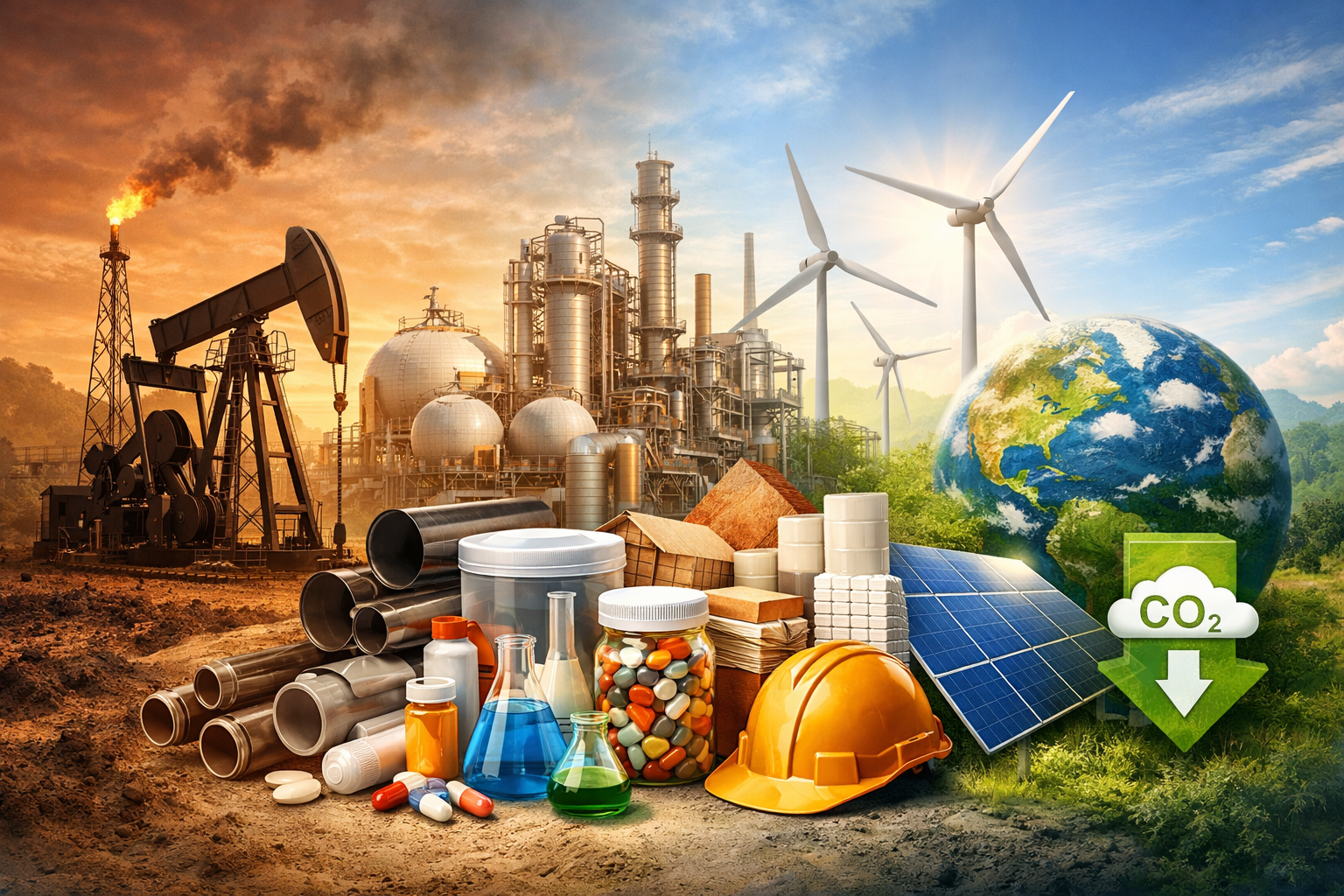
Labeling hydrocarbons solely as “fuels” ignores their critical role as industrial raw materials. A large share of crude oil is used to manufacture petrochemicals essential for modern life such as fertilizers, pharmaceuticals, medical equipment, polymers, synthetic textiles, and construction materials. These applications are non combustion uses that are vital for economic development.
Impact on Energy Transition Narratives
The term “fossil fuels” has also become politically charged, often used in a negative or dismissive context. This framing oversimplifies global energy challenges and hinders balanced conversations around energy security, affordability, carbon management, and technological innovation.
The Need for Precise Energy Language
For a realistic and inclusive energy transition, precision in language matters. Using terms such as “hydrocarbons,” “conventional energy,” or “oil and gas resources” allows for more nuanced discussions focused on efficiency, emissions reduction, and sustainable development rather than ideology.
At Petrobazaar.com, we believe that accurate terminology supports smarter energy decisions, transparent markets, and informed policy dialogue that are key pillars for navigating the future of global energy.